

Land Secured for a Phased AI Campus
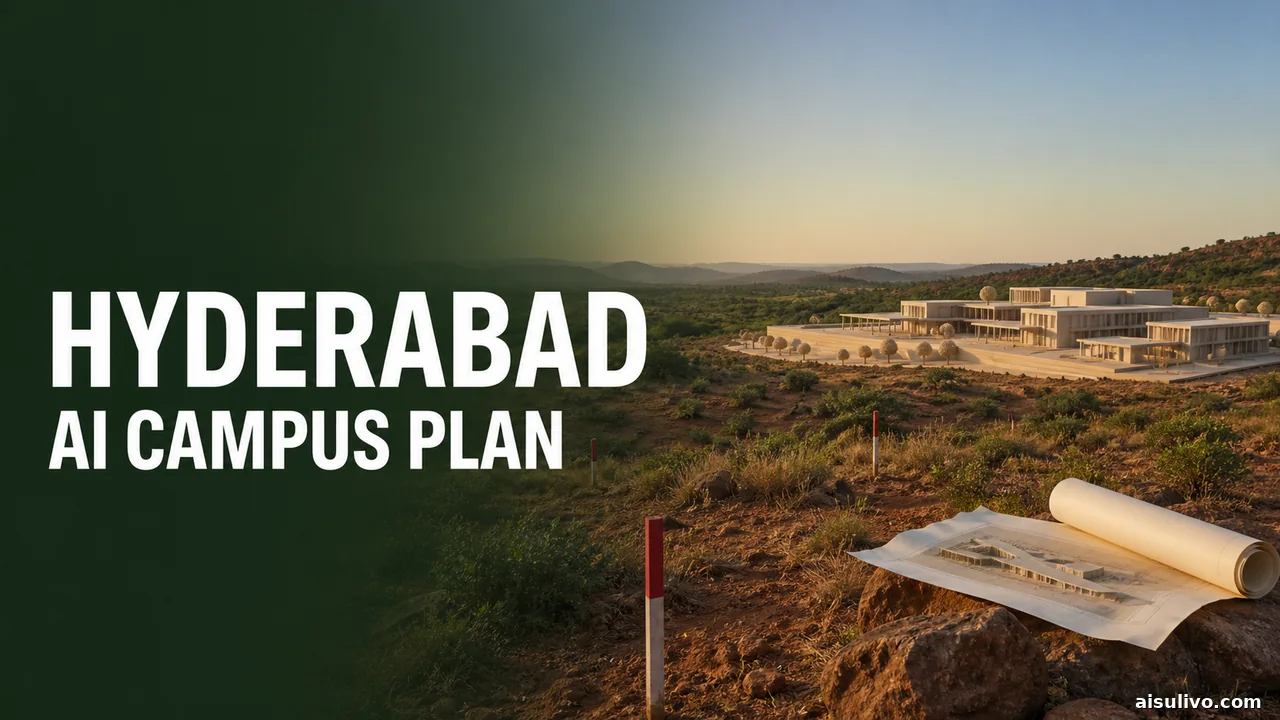
Tata Consultancy Services announced on September 5 that its HyperVault subsidiary had secured 264 acres in Hyderabad for a large AI data-center campus. The proposed capacity is up to one gigawatt, with development planned in phases to match customer demand and technology requirements.
The announcement is significant because it identifies land for a specific project. It does not mean that one gigawatt of computing infrastructure is already operating. TCS describes the intended campus and its eventual scale, while leaving the timetable for individual phases unstated in the release.
HyperVault and its partners are expected to invest up to Rs 70,000 crore to build and manage the infrastructure. That figure is a projected upper amount across the proposed development, not a statement that the money has already been spent. Keeping those qualifications attached to the numbers is essential to understanding the news.
The planned users are frontier AI companies and hyperscalers. For readers following India's AI infrastructure, the immediate development is therefore a land-backed expansion plan. The later milestones will be the facilities, power, cooling, and customer deployments that turn the plan into available computing capacity.
The Numbers and Their Limits
Three figures define the announcement, but they describe different things. Land measures the site; gigawatts describe a planned scale of capacity; the investment figure describes an expected financial commitment by HyperVault and partners. They should not be read as interchangeable measures of progress.
| Announced Item | Figure | Status |
|---|---|---|
| Land | 264 acres | Secured, according to TCS |
| Campus capacity | Up to 1 GW | Planned phased development |
| Investment | Up to Rs 70,000 crore | Expected from HyperVault and partners |
Neither the land area nor the stated capacity tells a prospective customer which GPUs will be available, when a rack can be commissioned, or what a service will cost. The release does not provide a chip count, customer price list, or phase-by-phase opening schedule.
The distinction is especially important for the one-gigawatt headline. It is not a model benchmark or a count of completed AI tasks. The announcement also does not break the capacity figure into detailed operating categories. Readers should avoid using it to infer delivered training performance or a fixed number of supported models.
A useful way to track the project is to keep the original figures alongside future delivery announcements. A completed phase can then be assessed on its own terms, without treating the entire eventual campus as if it were available from day one.
Designed for Dense AI Computing
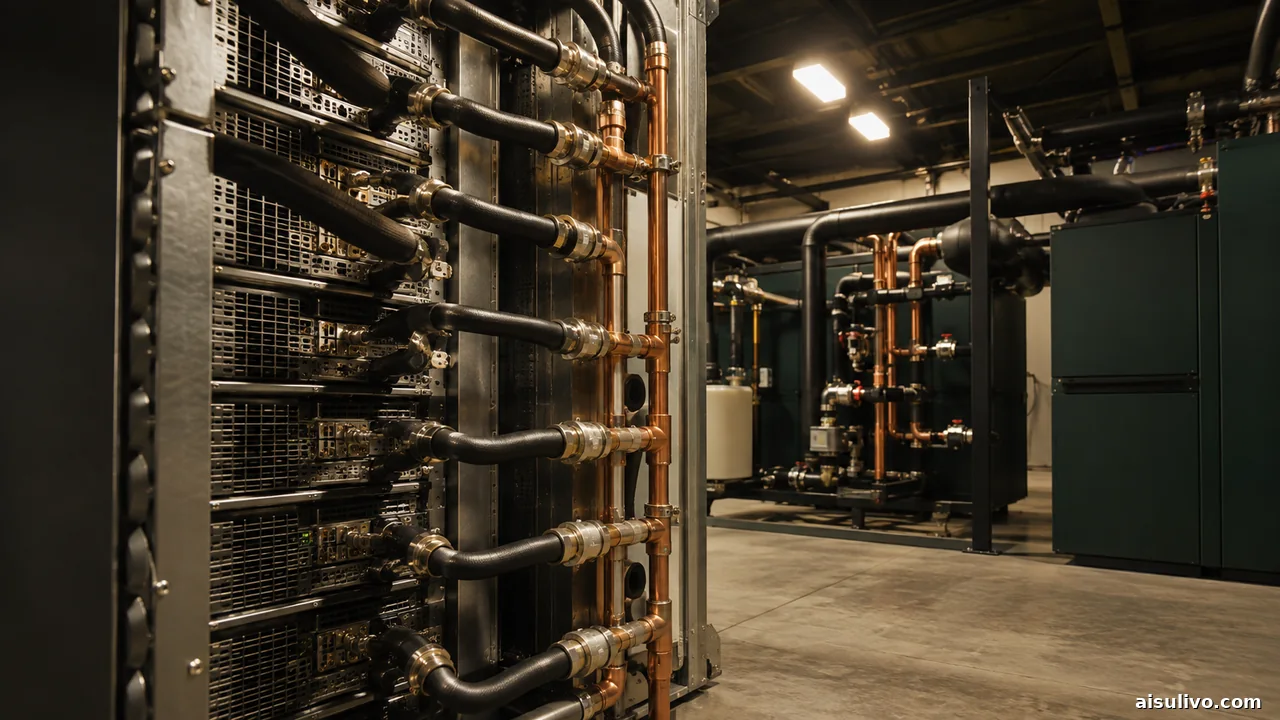
TCS says the campus is intended for high-density GPU deployments covering model training, inference, and other advanced computing workloads. It also emphasizes liquid cooling. Those details distinguish the proposed facility's intended workload from a general announcement about office space or conventional business IT.
Training and inference are related but different activities. Training develops a model's learned parameters; inference uses a trained model to produce outputs. Supporting both is a statement about the campus's intended role. It does not identify a particular model developer or confirm a customer contract.
In describing HyperVault's broader infrastructure approach, TCS mentions direct-to-chip cooling, high rack density, power reliability, and networking. These are important parts of an AI facility's design, but the release does not provide a complete engineering specification for every Hyderabad phase.
For a potential customer, the later questions are practical: which equipment and configurations are supported, how capacity becomes available, and what operating commitments accompany it. Those answers matter more for a particular deployment than a campus-wide headline alone. They remain questions to follow, not capabilities that can be assumed from this announcement.
Why the Phased Approach Matters
The company explicitly ties development to demand and technology requirements. That makes the phased approach central to the plan, not a minor scheduling detail. A large proposed campus can be announced before all of its eventual computing installations are specified.
This leaves room for later phases to respond to the equipment and workloads customers need. It also means that the final scale is not evidence of immediate availability. The announcement does not give enough detail to calculate a reliable completion date or a year-by-year spending profile.
For readers comparing AI infrastructure projects, the fairest comparison is between equivalent stages. Securing land is different from completing a building; a completed building is different from commissioning customer-ready computing equipment. This is an analytical distinction, not a claim that HyperVault has missed a milestone.
Future disclosures about phase capacity, commissioning, and customer use would make the project's progress easier to evaluate. Until then, the strongest supported description is a large campus planned for phased development on land TCS says has been secured.

Energy and Jobs Are Forward-Looking Claims
The release says the campus will use green energy and water-neutral design principles. It also projects several thousand direct and indirect jobs and benefits across power, cooling, networking, construction, engineering, and operations.
These are company expectations about the project, not measured outcomes from an operating Hyderabad campus. The announcement does not supply a detailed water-accounting method, a verified operating energy mix, or a dated breakdown of employment by project phase.
That does not make the commitments irrelevant. It identifies what later reporting should test. A water-neutral design claim becomes more useful when its boundaries and measurement method are clear; an employment projection becomes more concrete when construction and ongoing operating roles are distinguished.
Readers should therefore retain both parts of the story: the proposed environmental and regional benefits, and the absence of operating evidence at this stage. Neither a promotional superlative nor an unsupported dismissal would capture that distinction accurately.
What to Watch Next
HyperVault's announcement places Hyderabad within TCS's stated effort to connect AI infrastructure with its wider technology services. It is a substantial proposal, but it is not an announcement of a new AI model, a public consumer app, or immediately available access to a completed campus.
The next useful updates would explain when phases enter service, what capacity each provides, and which customer requirements they serve. More detail on energy sourcing, cooling implementation, and water accounting would also help readers assess the operating plan.
For now, the central fact is clear: TCS says HyperVault has secured land for a phased AI campus, with a proposed ceiling of one gigawatt and expected investment of up to Rs 70,000 crore with partners. The story is about a concrete planning milestone and its stated ambitions. Delivery, utilization, and measured environmental performance remain the evidence to watch.
Illustrations are AI-generated editorial concepts, not photographs of the people or facilities reported here.