

An 8-Gigawatt Commitment
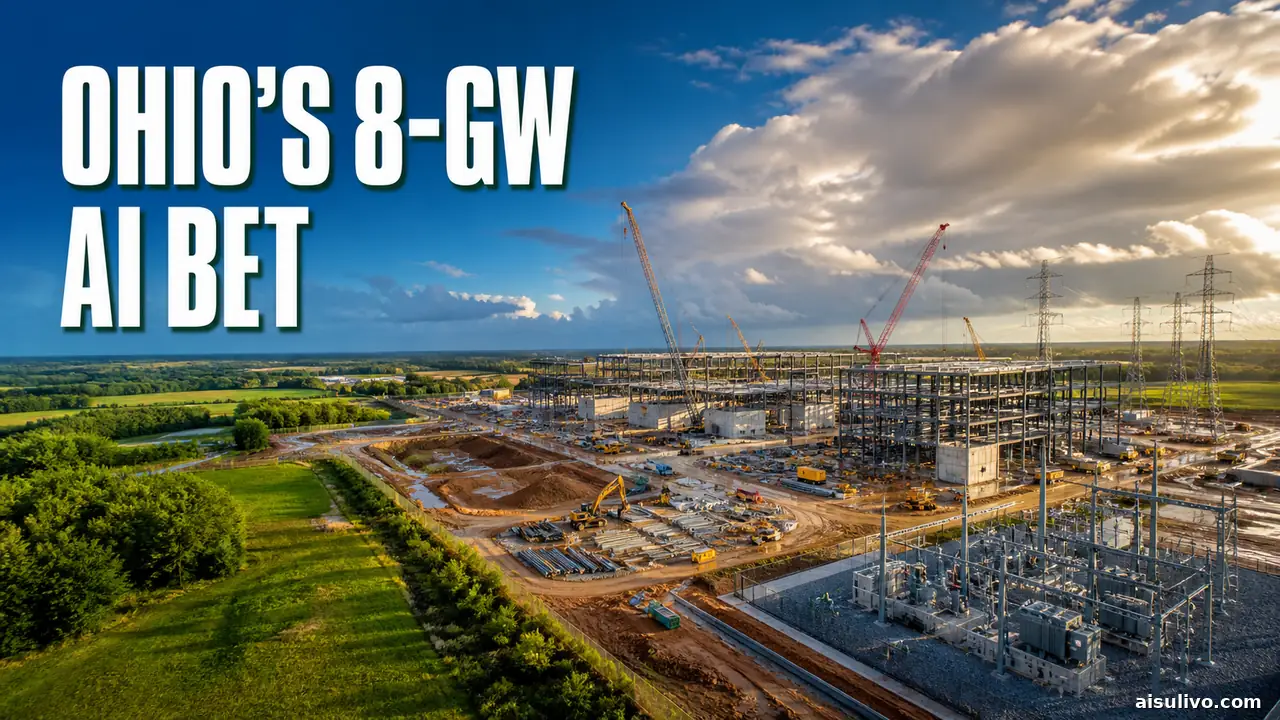
OpenAI has agreed to a 20-year lease for as much as 8 gigawatts of information-technology capacity at a planned AI campus in Pike County, Ohio. SB Energy is expected to own and develop the site, while NVIDIA is involved in backing the infrastructure plan. The target is extraordinary even by data-center standards and signals a long-duration commitment to physical compute rather than a short cloud-capacity purchase.
The first capacity is targeted for 2028, but the full figure should not be read as a facility that appears all at once. Campuses of this scale are built in phases as buildings, chips, cooling, substations, transmission and generation become available. Eight gigawatts describes the contracted ambition for IT load, not a promise that every gigawatt will be operating on opening day.
Why the Portsmouth Site Matters
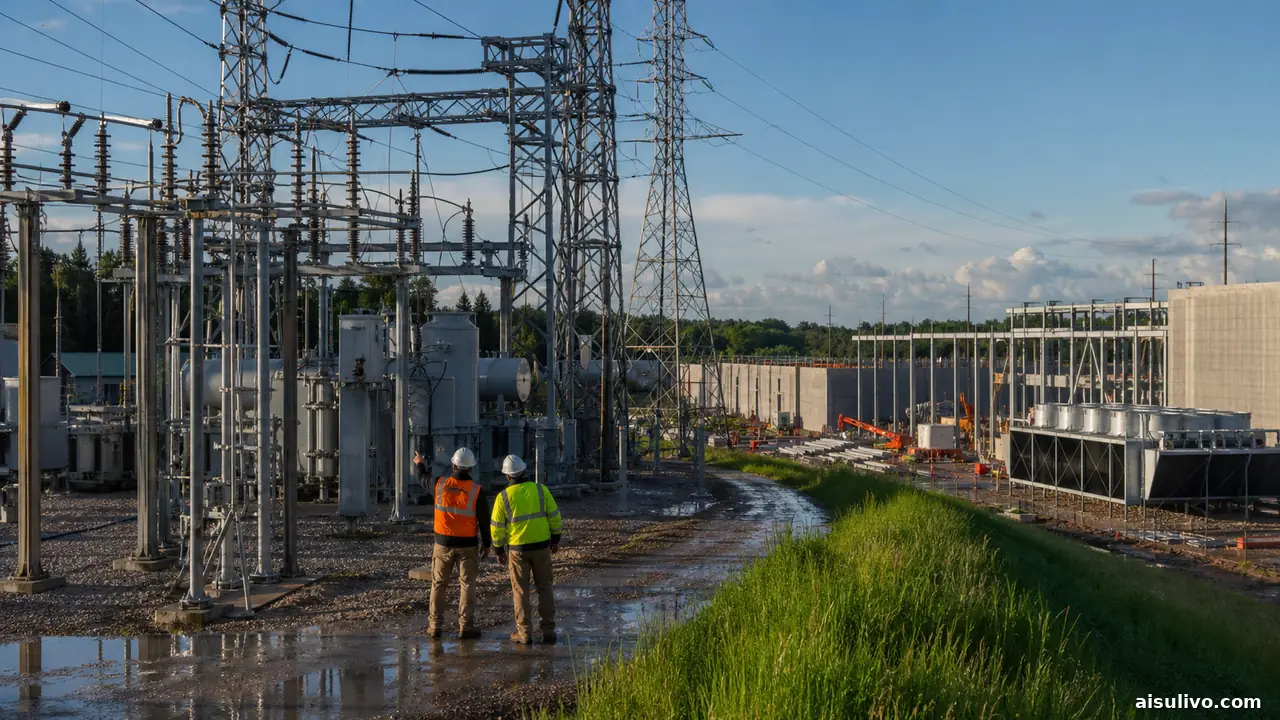
The project is associated with land at the Portsmouth Gaseous Diffusion Plant area, a federal site with a long industrial history. That context offers large tracts and infrastructure familiarity, while also bringing federal land-management, environmental-review and community questions. The Department of Energy has positioned the location as a candidate for major AI development, but site selection is only the beginning of a complex approval and construction process.
Pike County could gain construction activity, permanent technical roles and a larger tax base. It could also experience pressure on roads, housing, water systems and skilled labor. The useful measure of local impact will be the quality and durability of jobs, the allocation of infrastructure costs and whether benefits extend beyond the fenced campus.
Compute Is Only Half the Build
A reported plan for up to 10 gigawatts of generation illustrates why the energy layer is inseparable from the servers. Natural-gas generation is expected to play a role, and AEP Ohio has discussed major transmission investment connected with regional data-center growth. Each element has a different timetable, regulator and risk profile. A computing hall cannot operate merely because accelerators have been ordered.
The gap between 8 gigawatts of IT capacity and a larger generation figure is not necessarily excess. Power systems need headroom for cooling, conversion losses, reliability and changing demand. Still, headline capacities are not the same as delivered energy. Fuel supply, interconnection studies, emissions controls, equipment lead times and grid agreements will determine the practical pace.
What the Deal Says About the AI Race
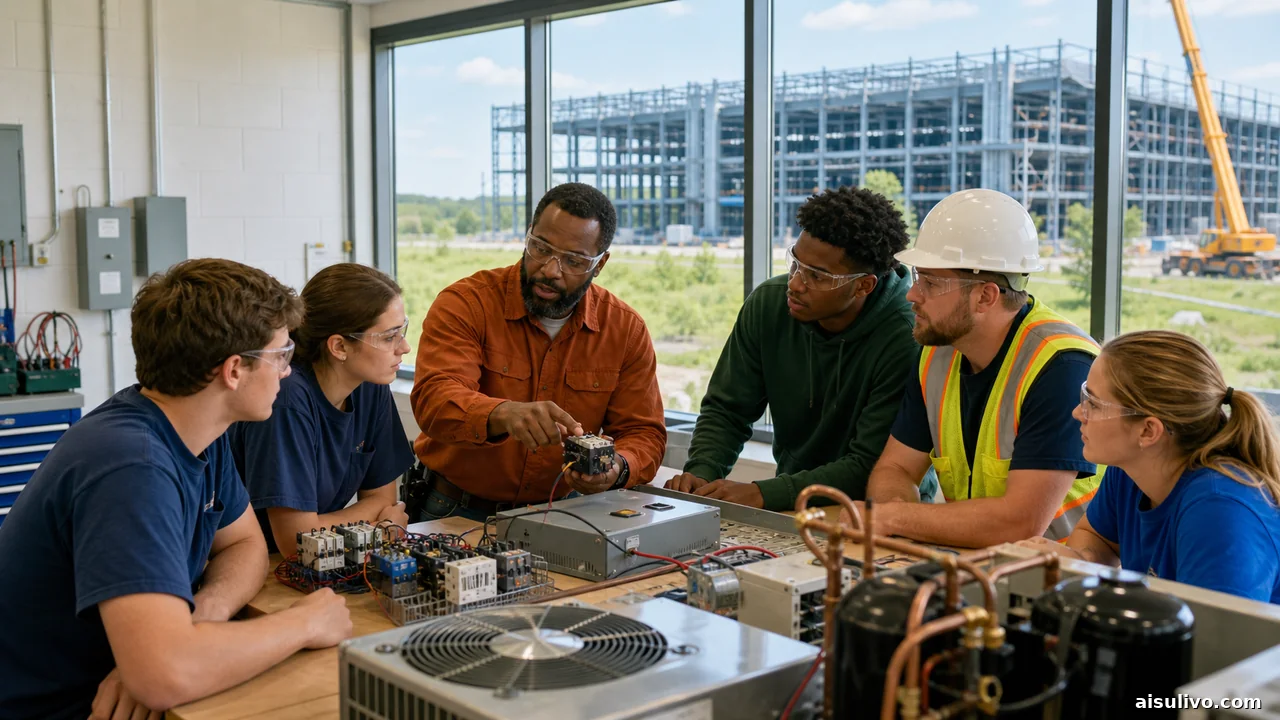
The Ohio agreement shows frontier-model competition moving upstream. Model developers increasingly seek predictable access to land, electricity and accelerators years before workloads arrive. Long leases can secure capacity, but they also create exposure if efficiency improves faster than expected, demand shifts or construction costs rise. NVIDIA’s involvement links the chip supply chain more closely to project finance and site development.
For OpenAI, the campus could support training and inference at a scale that is difficult to obtain through ordinary procurement. For policymakers, it creates a test of whether AI expansion can be reconciled with reliability, affordability and environmental obligations. The decisive milestones will be permits, financing, interconnection, phased energization and actual delivered compute—not the maximum number alone.
Milestones Matter More Than the Maximum
The next evidence will arrive through ordinary infrastructure milestones. Land arrangements, environmental reviews, air and water permits, utility filings, equipment orders and construction contracts will reveal how quickly the plan is becoming physical. Each phase can move on a different schedule. A delay in transmission, turbines or cooling equipment could limit server deployment even if the buildings themselves are ready.
Cost allocation will be closely watched. Utilities and regulators must decide which grid upgrades are paid directly by the project and which enter broader customer rates. Large, steady loads can support investment, yet rapid additions can also tighten reserve margins or require expensive capacity. Transparent agreements are important to prevent local households and smaller businesses from carrying risks created by one unusually large customer.
Efficiency may change the final shape. New accelerators can deliver more computation per watt, while more demanding models can consume those gains. Water use will depend on the cooling design and seasonal operation, not simply the campus nameplate. Reporting delivered megawatts, energy sources, water consumption and operational jobs over time would give Ohio residents a clearer picture than repeating the 8-gigawatt ceiling.
What Readers Need to Know
Does the campus already use 8 gigawatts?
No. The figure is a planned maximum for IT capacity under a long-term agreement. Initial capacity is targeted for 2028 and development would occur in phases.
Who is developing the Ohio site?
SB Energy is expected to own and develop the campus. OpenAI is the long-term compute customer, and NVIDIA is involved in backing the infrastructure plan.
Why does the project need so much power?
Large AI systems require electricity for accelerators, networking and cooling. The ultimate demand will depend on the equipment installed, utilization, efficiency and pace of construction.